


Beacon Pines
$0.69
-96%
ALL
ALL
PC
PC
Xbox
Xbox
PlayStation
PlayStation
Switch
Switch
This website uses cookies to enhance your browsing experience, analyze site traffic, and personalize content. By using this site, you agree to the use of cookies.

Hero shooters are one of the best genres available for gamers who enjoy team-coordinated gameplay and a mix of FPS and objective-based mechanics. These games tend to have large, diverse rosters of characters across multiple roles, each with its own job to perform in a match. This means that there’s likely a character out there for every kind of player, from big brawly Tanks to utility and healing-based Support/Strategist characters, or main damage dealers and aggressive fighters in DPS picks.
However, there have been very few hero shooters across the years that have managed to stick with fans and pass the test of time. In particular, these games have largely shifted towards the free-to-play live-service format, making them more accessible to a wider audience. Instead of earning revenue through game sales, these games tend to earn mostly through the likes of hero skins and cosmetic items via in-game shop systems.
The most notable and popular hero shooters available have remained that way for a long time. Overwatch and Marvel Rivals are currently the top picks and the strongest competition to one another. Following that, Valorant is another popular pick, with Apex Legends still managing to hold onto a solid playerbase over the years, despite its popularity dropping quite a bit. Lastly, Valve’s hero shooter in development, Deadlock, is perhaps the most notable new competitor entering the scene and building a strong community of players. The one thing these titles all have in common is that they follow that free-to-play live-service format.
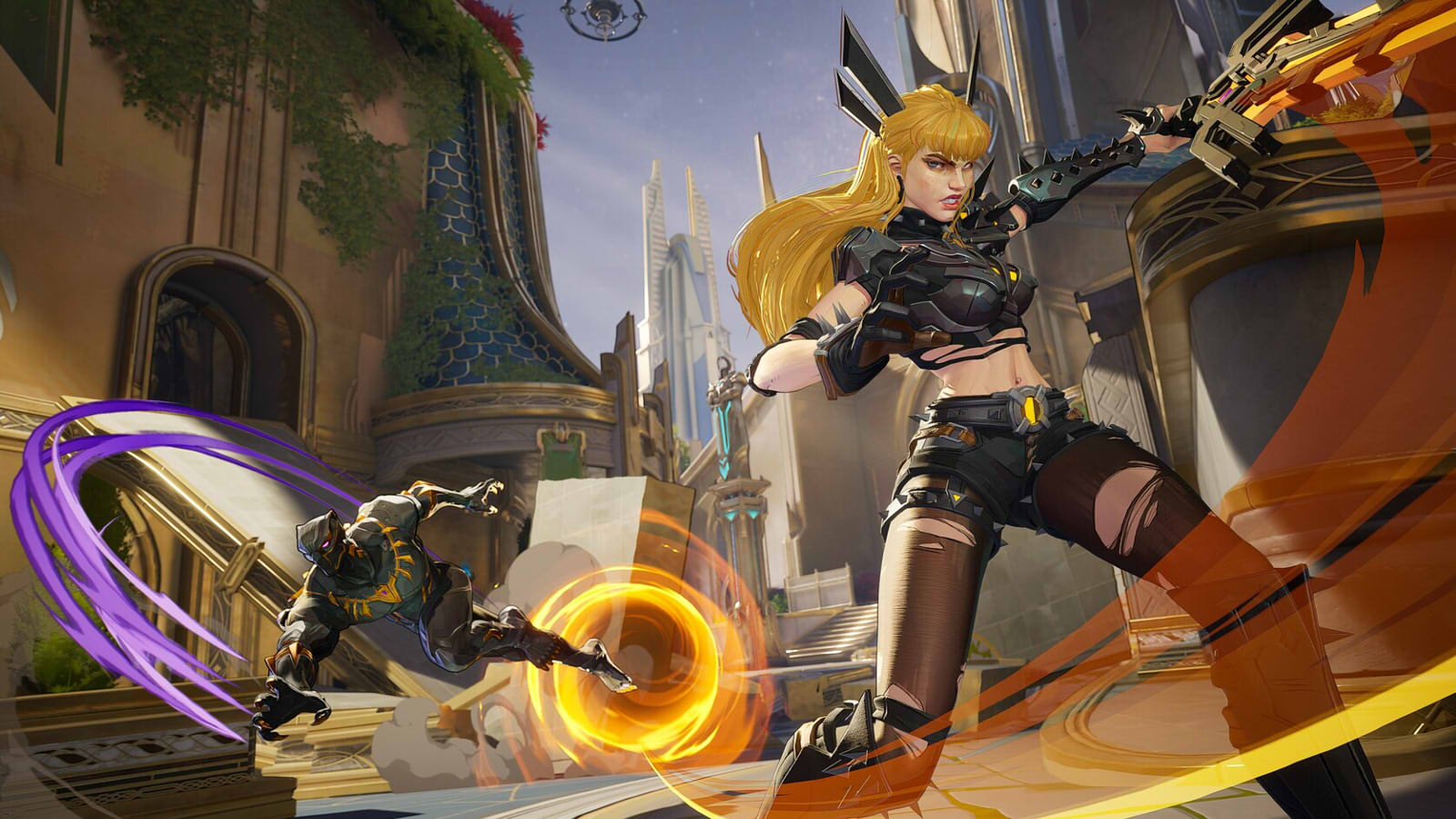
Aside from these games, there have actually been a fair few other hero shooters released along the way. Yet, none of them ever really seem to come close to breaking into the charts and really competing with these other titles. Team Fortress 2 is a notable example of how older titles can still make it difficult for new titles to break into this space. The game launched back in 2007, does not maintain the same kind of regular update schedule as more recent titles, and yet still manages to maintain an incredibly active community. This suggests that once a solid hero shooter establishes a dedicated audience, these players are often extremely loyal to the game for an extended period of time. After all, hero shooters take a significant amount of time to learn properly, so they are a commitment that many gamers stick by.
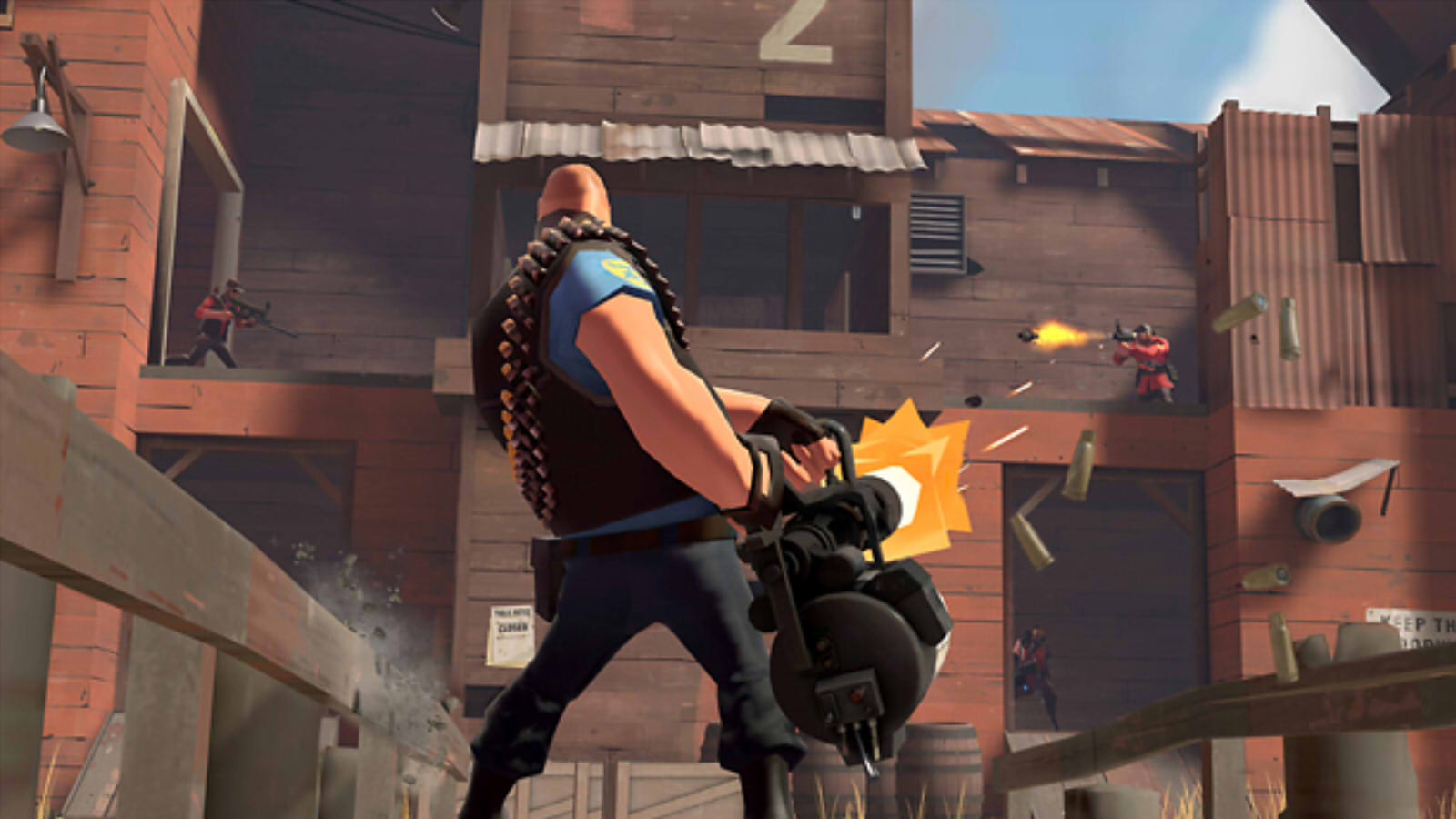
This creates a difficult situation for new titles trying to enter the market, as they are not the type of game where players simply download, jump into a couple of matches, and move on. There's learning each of the maps, the roster and their abilities, hero counters, team compositions, and developing teamwork skills with other players. The free-to-play live-service approach has only reinforced this commitment through seasonal content updates with limited-time Battle Passes, events, and ranked progression.
Games such as FragPunk and Strinova have followed this same approach, offering free access, ongoing updates, interesting character rosters, and even unique gameplay mechanics. Yet, they struggle to attract the same scale of audience as the bigger competitors, despite having dedicated communities. It's not that these games are considered bad; instead, they face the huge struggle of entering a saturated market. If a player already has thousands of hours on Marvel Rivals, Overwatch, Valorant, Apex Legends, or TF2, then a new title needs to offer more than seasonal cosmetics and battle passes. Players need a compelling reason to make the move from their go-to hero shooter, with Deadlock being one of the only names to start to break into this market in recent years.
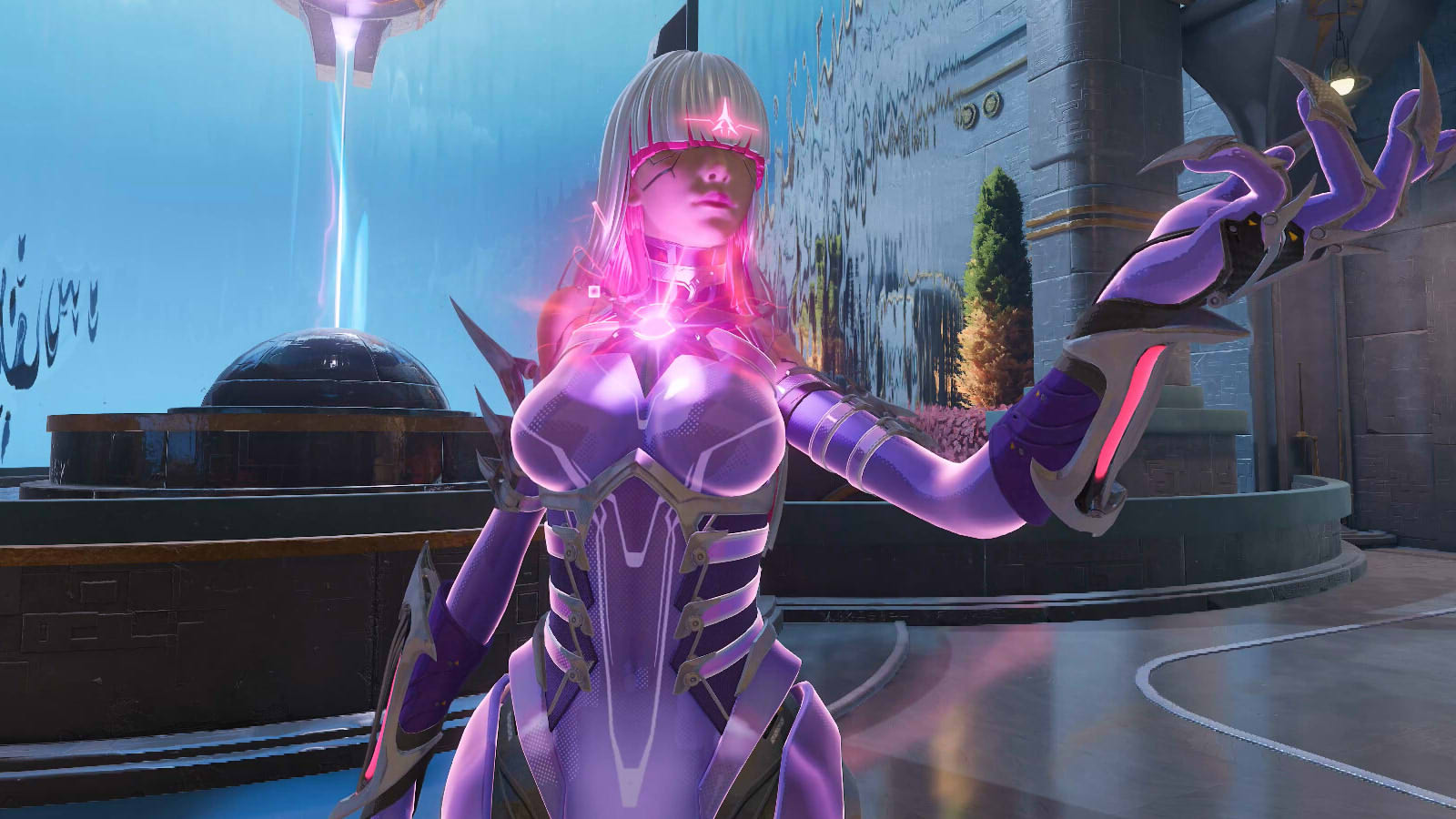
Valve’s approach may also have played a significant part in the outlier of Deadlock's success compared to other titles. The game not only entered the scene when competitor titles were facing immense frustration from their communities (Overwatch, in particular). The combination of MOBA and hero shooter mechanics also helped the game to feel entirely fresh, as there were few to no competitors that blended those genres as effectively at the time. Deadlock has also opted to gain dedicated players during the development process, keeping them involved in the testing and feedback process. This was a very successful decision, causing the game to build community over an extended time leading up to an official release, rather than relying on some big, successful launch day.
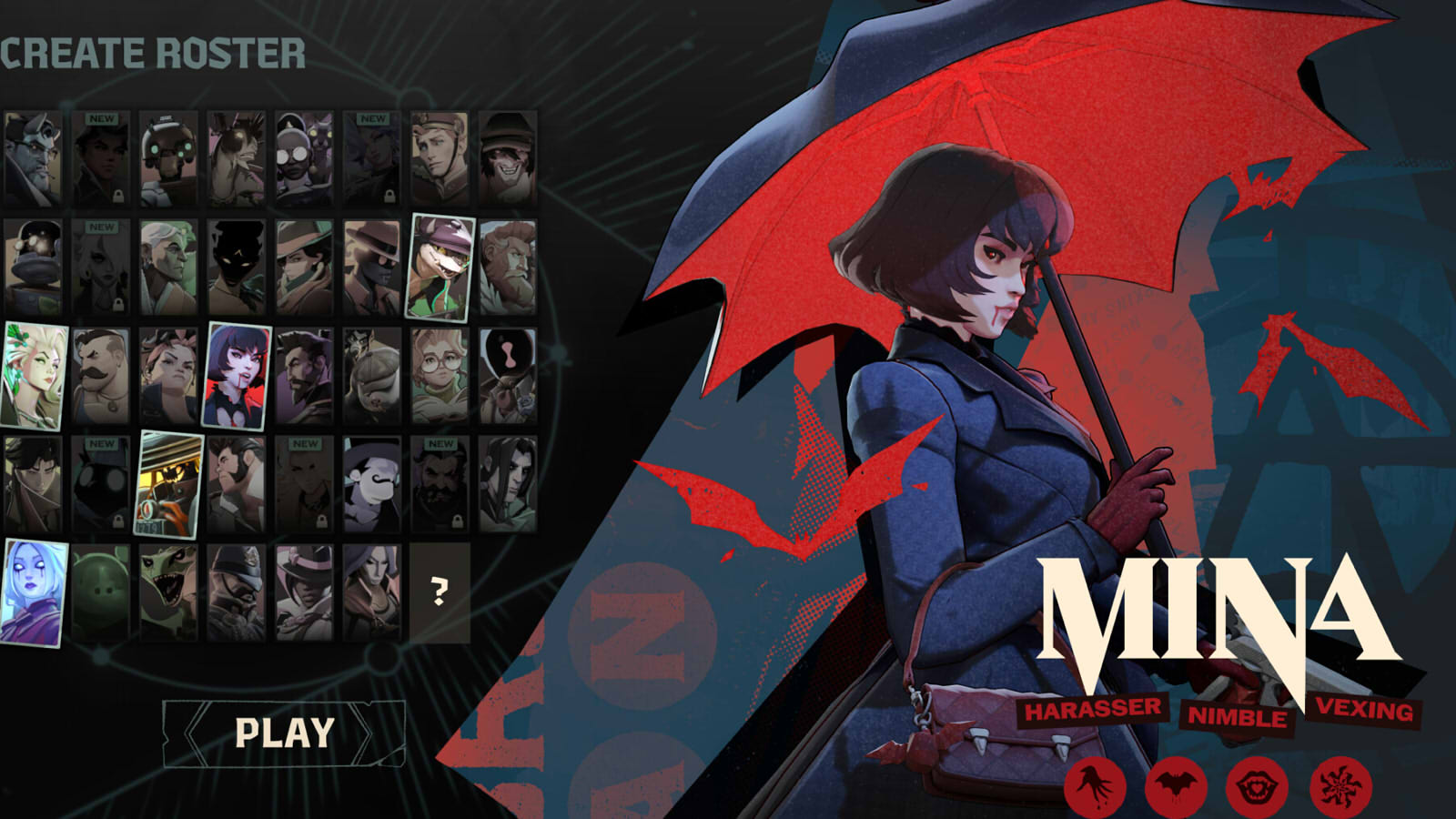
Paid hero shooters face an even tougher challenge - why would players spend money trying a new hero shooter when bigger competitors can already be played for free? Titles such as Last Flag and Highguard are notorious examples of games that have tried to enter this brutal market recently, despite similar experiences already being available in competitors. For example, Last Flag is a capture the flag-based (CTF) hero shooter, but Overwatch players felt little need to try this title out, as there is already an Arcade game mode for CTF, and it can be accessed at any time through custom games. Essentially, players are very reluctant to pay for something they already feel they have access to.
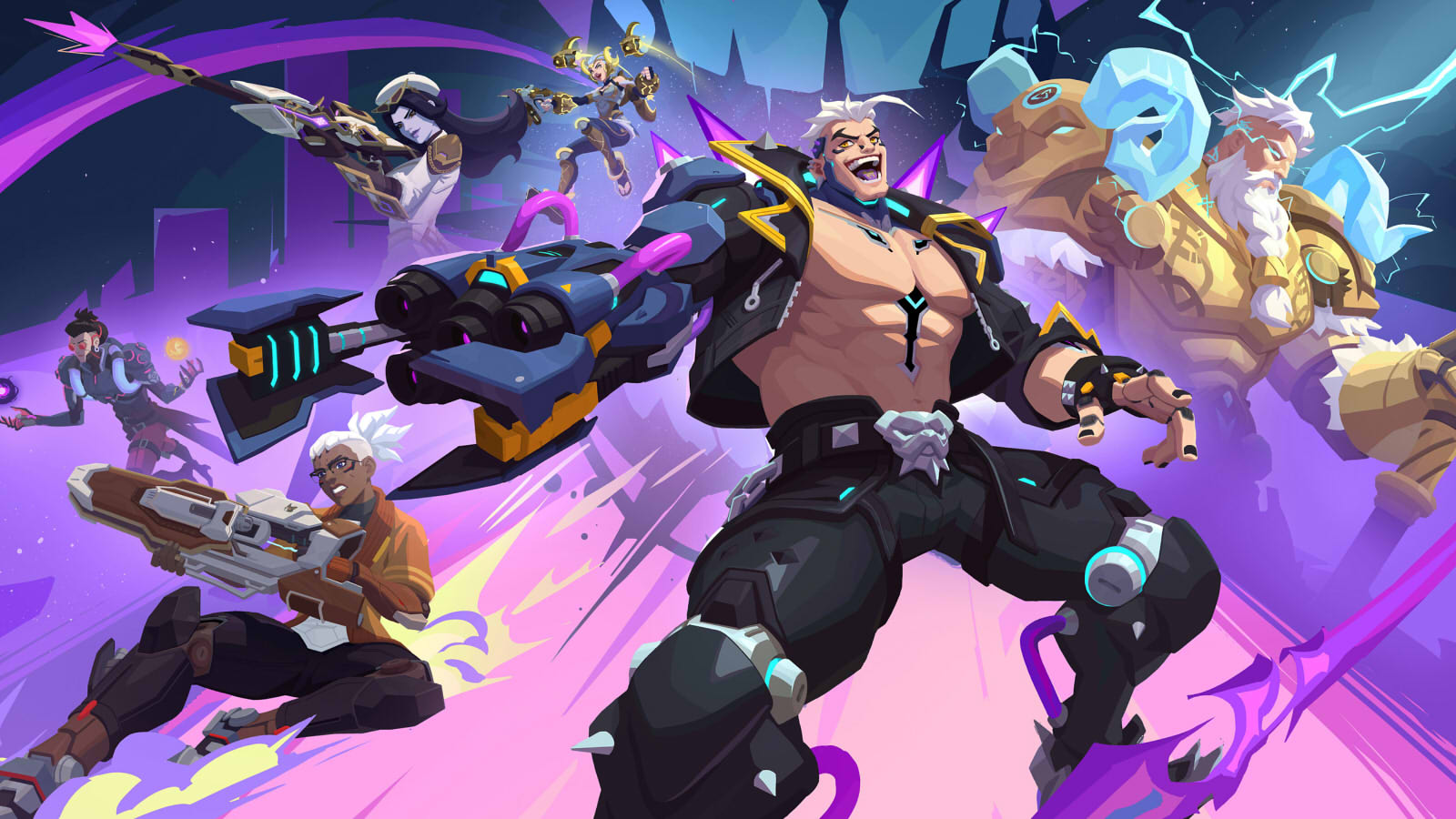
This raises a slightly uncomfortable question for the hero shooter genre: is the future of these games tied to the free-to-play live-service model, or have gamers simply become dependent on a handful of dominant titles? Perhaps the biggest challenge for developers is no longer creating a fundamentally good hero shooter, but convincing players that they need another one at all.
Jun 23, 2026
Jun 23, 2026
Jun 23, 2026
Jun 23, 2026
Jun 23, 2026
Jun 23, 2026
Jun 23, 2026
Jun 23, 2026
Jun 23, 2026
Jun 23, 2026
Jun 23, 2026
Jun 23, 2026


